
Crypto for Teens

Crypto 101 for Teens:
You have probably heard the word cryptocurrency thrown around — maybe from a YouTube ad, a celebrity tweet, or someone at school who swears they made money off it. Before you decide what you think about crypto for teens (and adults), it helps to actually understand what it is.
Not so you can invest in it. But so you can think clearly about it.
Because understanding money — where it comes from, what makes it valuable, and what makes it risky — is one of the most important skills you will ever build.
What Is Regular Money, Anyway?
Before we talk crypto for teens, let's talk about the dollar.
When you hold a dollar bill, it is backed by something real and structured:
The U.S. government
The U.S. economy
The tax system
The legal system
That means taxes must be paid in dollars. Contracts are enforced in dollars. Banks are regulated within that system. And if something goes wrong, say someone steals your money, there are laws and institutions designed to help you.
The dollar is not perfect. But it is supported by an entire system built to give it stability and trust.
So What Exactly Is Cryptocurrency?
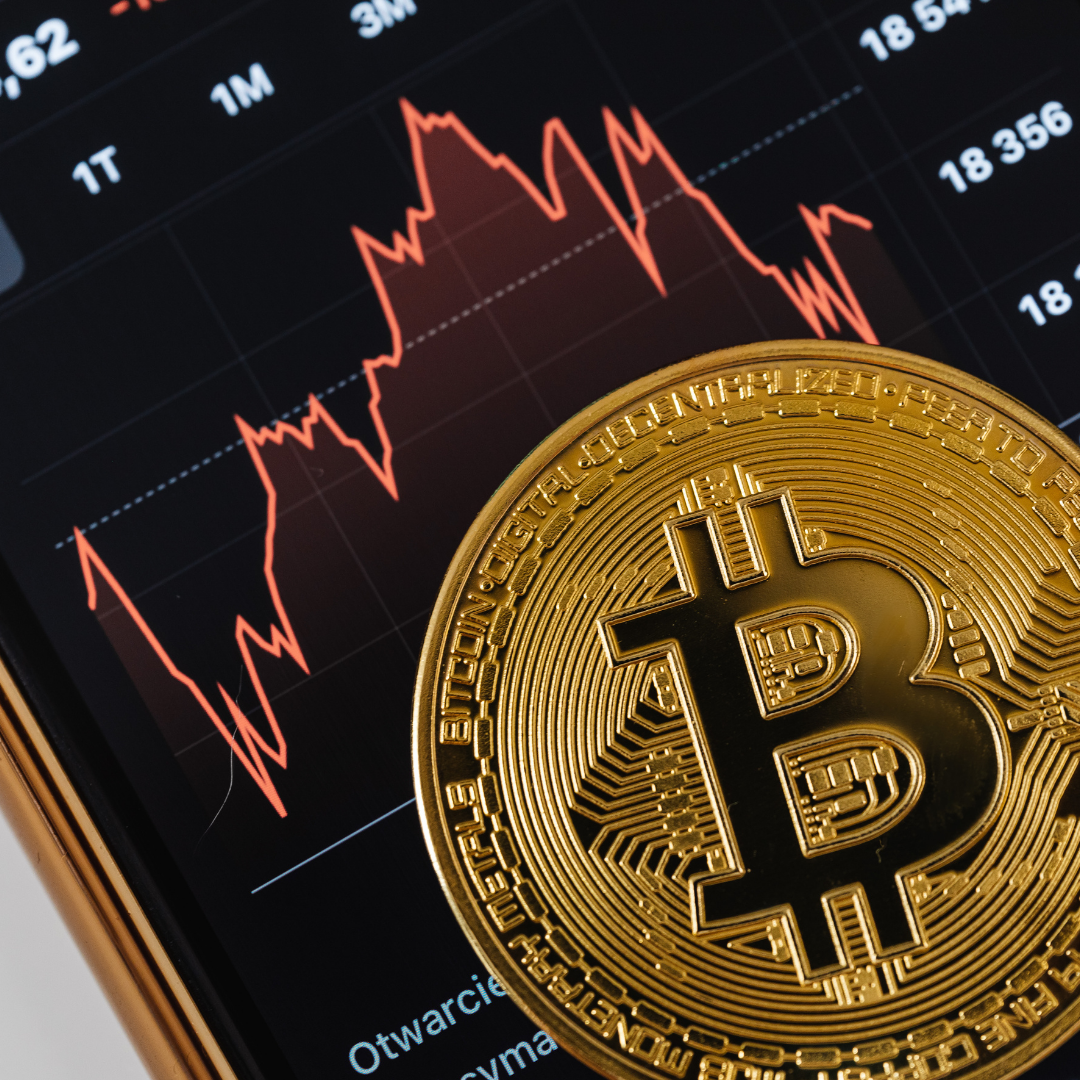
Cryptocurrency is digital money. You cannot hold it in your hand, and it is not stored in a traditional bank. Instead, it exists entirely online and is tracked using technology called blockchain — a system that records every transaction across a massive network of computers around the world.
People can use crypto to buy and sell things, but most often it is bought and held as an asset — kind of like how some people buy gold or stocks.
Here is the big difference: crypto is not backed by any government, central bank, or legal system. There is no institution underneath it holding things stable.
So what gives crypto its value?
Supply, demand, and belief. That is it.
When lots of people believe in a cryptocurrency and want to buy it, the price goes up. When people lose confidence and start selling, the price drops. Sometimes fast. Sometimes dramatically.
The dollar is backed by a system. Crypto is driven by belief. And belief can change overnight.
The Video Game Dollar Comparison
Here is a way to think about it that actually makes sense.
Think about coins in a video game. You earn them, spend them on upgrades, and they have real value inside that game world. But their value only exists because the game exists and people keep playing it. If the game shuts down, those coins are worth nothing.
Crypto works similarly. It has value because enough people agree that it does. The moment that agreement breaks down — for any reason — the value can disappear.
That does not mean crypto is a scam. It means its value works differently than traditional money, and you need to understand that difference before forming an opinion about it.
Why Do People Use It?
It would be easy to assume that only people who do not understand the risks use crypto. But that is not the full picture.
Some people genuinely distrust traditional banks and like the idea of money that no single government controls. Others are drawn to the technology itself — blockchain has real applications beyond just currency. And yes, some people are chasing big returns.
Those motivations are real. But they do not cancel out the risks.
The Benefits of Crypto
There are real reasons the technology has stuck around, and understanding the upside is just as important as understanding the downside.
It is decentralized. No single government, bank, or institution controls it. For people in countries with unstable currencies or corrupt financial systems, crypto can be a more reliable way to store and transfer money. That is a genuinely powerful thing.
It is accessible. You do not need a bank account, a credit history, or a minimum balance to use crypto. Anyone with a phone and internet access can participate. For millions of people around the world who are excluded from traditional banking, that matters.
Transactions are fast and borderless. Sending money internationally through a traditional bank can take days and cost significant fees. Crypto transactions can happen in minutes, anywhere in the world, at a fraction of the cost.
The technology behind it is real. Blockchain, the system that makes crypto work, has applications that go far beyond currency. Supply chain tracking, medical records, voting systems, and contracts are all areas where blockchain technology is being developed and tested. Understanding crypto means understanding a technology that will likely shape the future.
It has created real wealth for some people. Early adopters of Bitcoin and Ethereum saw extraordinary returns. That does not mean it will happen again, but it would be dishonest to pretend the gains have not been real for some investors.

The point is not that crypto is good or bad. The point is that it is complex. Complexity deserves understanding, not a quick verdict.
What Are the Risks?
This is where it gets important.
Crypto is highly volatile. Prices can double in a week and crash just as fast. Some cryptocurrencies have lost 80% of their value in a matter of months. Unlike a savings account, there is no guaranteed floor.
There is no safety net. Traditional bank accounts are insured by the FDIC up to $250,000. If your bank fails, you get your money back. Crypto has no such protection. If the platform you use gets hacked, or if you lose access to your account, there is no customer service line that can fix it.
Scams are everywhere. Crypto is one of the most common vehicles for financial fraud right now. Fake investment platforms, celebrity endorsement scams, and "pump and dump" schemes target young people specifically because they are newer to managing money.
It is irreversible. With a credit card, you can dispute a charge. With crypto, once a transaction is made, it cannot be undone. Ever.
So Should People Invest in Crypto?
This is not a yes or no question. It depends entirely on the person, their financial situation, and how well they understand what they are getting into.
First, a practical reality: most crypto platforms require you to be at least 18 years old to open an account. Some require you to be 21. That is not an accident. It is a reflection of how seriously the financial world takes the risks involved. So if you are under 18, this is not your decision to make yet. But it is absolutely your education to start.
For anyone old enough to participate, here is the analysis you should work through before putting a single dollar into crypto:
Do you have the basics covered first? Crypto is not a starting point. Before it belongs anywhere near your money, you should have a budget, an emergency fund, and a basic understanding of saving and investing. If those are not in place, crypto is not the next step.
Do you understand what you are actually buying? A stock represents ownership in a real company with real revenue. A bond is a loan to a government or business. Crypto is neither of those things. You are buying into a belief that other people will value it as much or more than you do. That is not a reason to avoid it, but it is a reason to go in clear-eyed.
Can you afford to lose every dollar you put in? This is not an exaggeration. Crypto has gone to zero before. Entire platforms have collapsed overnight. If losing this money would hurt you financially or emotionally, it is too much to invest.
Are you making a decision or following the crowd? Some of the biggest crypto losses in history happened to people who bought in because everyone else was. Hype is not a strategy. If you cannot explain why you are buying it beyond "everyone is talking about it," that is a red flag.
How long are you willing to hold it? Crypto is not a get-rich-quick tool. People who have done well with it generally held it for years through significant ups and downs. If you would panic and sell the moment it dropped 40%, it is probably not the right investment for you right now.
The goal is not to talk anyone into or out of crypto. The goal is to make sure the decision is actually a decision — not a reaction.
Wrapping Up!
Crypto is one of the most talked about and least understood financial topics of our generation. Now you know more than most adults do. You understand what gives it value, what makes it risky, what makes it compelling, and what questions to ask before anyone puts money into it. That is not a small thing.

Test yourself with the comprehension quiz (click the button on the left) and then bring what you learned about crypto for teens to the dinner table tonight. See if you can explain it better than your parents can!
About Beyond Personal Finance: Beyond Personal Finance gives teens (middle & high school) the chance to design their future to see if they can really afford the life they dream of. In one semester (20 lessons- less than 2 hours per lesson), your teen will choose (and budget for) a career, car, apartment, spouse, house, investments, and so much more. This is the class your teen will get excited about. We also provide a curriculum called Before Personal Finance for tweens. Before Personal Finance is designed for late elementary students (Ages 8-12) and introduces foundational money concepts—spending, saving, investing, and borrowing—in a way that’s imaginative, hands-on, and fun. Learn about our full offering of services at beyondpersonalfinance.com!