Credit Score 101: What Teens Need to Know
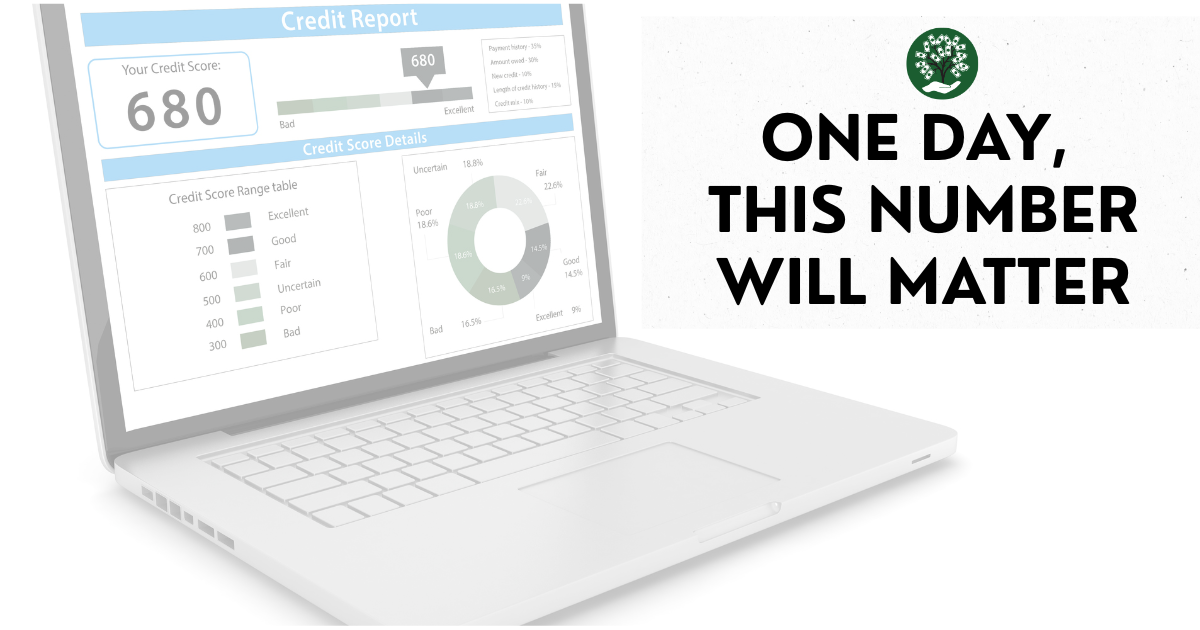
One day, a three-digit number could play an important role in your financial life. It's called your credit score, and even if you don't have one yet, it's worth understanding what it is, how it works, and how quickly your financial decisions can affect it.
When a lender offers you money to borrow, that's called credit. Once you borrow it, the amount you owe is called debt. You may have heard that debt is something to avoid, and that's generally good advice. Borrowing can be expensive, which is why learning to live within your means is so important. But even if you plan to avoid debt, understanding credit scores still matters because they can affect more than just your ability to borrow money.
Parents: One of my favorite sayings is, “The quality of your life depends on the quality of your choices.” That is especially true when it comes to credit scores. Once your teen is an adult, they will be offered credit in many different forms, and a few poor decisions can damage their credit for years. That's why it's so important to understand how credit scores work before those decisions come along. Pass this article along to your teen, then discuss what they learned over dinner.
What is a Credit Score?
A credit score is a three-digit number that helps lenders predict how likely you are to repay borrowed money on time. Most credit scores range from 300 to 850, with higher numbers indicating less risk to the lender.
Think of it as a financial report card that reflects how reliably you've met certain financial obligations. Have you paid your bills on time? How much of your available credit are you using? How long have you been managing credit? Even some payments that don't involve borrowing money, like rent and utilities, can affect your score if they're reported to the credit bureaus.Here is how credit scores are generally categorized using the widely used FICO scoring model:
800–850: Exceptional
740–799: Very Good
670–739: Good
580–669: Fair
300–579: Poor
You don't start adulthood with a score of 850, or even 300. You start with no credit score at all. A score develops once you begin using credit and have enough information in your credit history to calculate one.
And here's something important to understand: Your credit score is not a measure of your wealth. Someone with millions in the bank could have no credit score, while someone with very little savings could have an excellent one. Your score reflects your history of managing credit, not how financially successful you are.
Now that you understand what a credit score represents, let's look at what actually determines that number and how your financial decisions can cause it to rise or fall.

Give your kids the chance to practice making financial decisions while the stakes are still small.
Explore our hands-on financial literacy programs for ages 8+. 👆
What Determines Your Credit Score?
Lenders use your credit score to help determine whether you're a good risk when it comes to lending you their money. After all, they want to know how likely you are to pay them back! That's why credit scores are calculated using your history of borrowing money and repaying it.
But here's something important to understand: If you haven't established any credit history, you generally won't have a credit score at all. You don't automatically receive one when you turn 18. And having no credit score isn't the same as having a bad one. It simply means there isn't enough information about how you've managed credit to calculate a score.
Think about your parents' trust. Just because you turn 16 doesn't mean they'll hand you the car keys without first seeing that you're a responsible driver. As you demonstrate responsibility, you earn more freedom. But if you make a poor choice, like missing curfew, that freedom may disappear for a while, and you'll have to earn it back. Lenders work the same way. Trust is earned through experience and can be lost quickly. One missed payment can damage your credit score and remain on your credit report for up to seven years. Your score may recover sooner, but trust takes much longer to rebuild than it does to lose.
The most widely used credit scoring system is FICO (but there are others!). It considers five main factors when calculating your score, but they aren't all equally important.
1. Payment History (roughly 35%)
This is the biggest factor in your credit score. Lenders want to know whether you pay what you owe on time. A single missed payment that's reported as 30 days late can cause a significant drop in your score, and that late payment can remain on your credit report for up to seven years.
2. Amounts Owed (roughly 30%)
This measures how much debt you're carrying, including how much of your available revolving credit you're using. For example, if you have a credit card with a $2,000 limit and a $1,800 balance, you're using 90% of your available credit. That can hurt your score, even if you make every payment on time.
3. Length of Credit History (roughly 15%)
Lenders also consider how long you've been managing credit. An account you've maintained responsibly for several years provides more information than one you opened last month. This is one reason building a strong credit history takes time.
4. New Credit (roughly 10%)
Applying for several credit accounts in a short period can lower your score, particularly when you have a limited credit history. Each application that results in a hard credit inquiry may affect your score. Lenders may see multiple recent applications as a sign that you're taking on too much debt.
5. Credit Mix (roughly 10%)
Your score also considers the different types of credit you've managed, such as credit cards, auto loans, and mortgages. Having experience with different types of accounts can help, but never borrow money or open an account just to improve your credit mix. Taking on unnecessary debt defeats the purpose of being financially responsible.
What about rent and other bill payments?
You may have noticed that rent, electricity, and other bills aren't specifically included in the five factors. That's because credit scores are traditionally calculated using information reported to the three major credit bureaus: Equifax, Experian, and TransUnion. While banks and credit card companies regularly report your account activity, most landlords and utility companies don't.
However, that is beginning to change. Some landlords and rent-reporting services now report payment history to credit bureaus, and certain credit scoring models include that information in their calculations. Some services also allow you to add eligible utility payments to your credit history.
Now that you understand how credit scores are calculated, let's look at why your score matters and how it can affect your financial future.
Why Does Your Credit Score Matter?
You might be thinking, "If I don't plan to borrow money, why should I care about my credit score?" That's a fair question.
One of the biggest reasons to establish good credit is buying a home. Given the cost of housing today, most people will eventually need a mortgage (a fancy term for a home loan). You probably won't be buying a house anytime soon, but building a strong credit history takes time. Lenders generally offer their lowest interest rates to borrowers with the strongest credit profiles. Even a small difference in interest rates can cost you thousands of dollars over the life of a mortgage.
Your credit history can also matter when renting an apartment, obtaining certain insurance policies, or setting up utilities. And here's something you might not expect: some employers review credit reports when making hiring decisions, particularly for jobs involving money or sensitive information. Generally, you'll know when your credit is being checked as part of an application, whether it's for a job, apartment, or loan.
How Can You Prepare Now?
You may not be ready to establish credit yet, but you can start building the habits that will help you manage it responsibly when you turn 18.
Get a job and practice living within a budget. Challenge yourself to spend only 20–30% of what you earn and save the rest. If you can consistently stay within your spending limit, you're learning one of the most important financial skills: living within your means.
Meet your deadlines. Turning in homework on time might not seem connected to your financial future, but it is. Bills have due dates, just like assignments. If you regularly miss homework deadlines, there's a good chance you'll struggle with financial deadlines too. Start developing the discipline now.
Get organized. Someday, bills and financial notices will arrive in your email. If you have 1,000 unread messages, important ones can easily get lost. Get in the habit of checking your email daily, unsubscribing from unwanted messages, and deleting what you no longer need. Think of your inbox as a to-do list. Keep emails that require action, and delete or file the rest.
Financial responsibility doesn't suddenly appear when you turn 18. It's built through the small decisions and habits you practice now. The decisions you make in your early adult years (like resisting the temptation to sign up for a credit card just to get a freebie at a sporting event!) can help you build a strong financial foundation for the choices Future You wants to make someday. The lesson? Don't wait until you need good credit to start protecting it.
Frequently Asked Questions:
What is a credit score, and why is it important for teenagers?
A credit score is a three-digit number, typically ranging from 300 to 850, that helps lenders determine how likely someone is to repay borrowed money. Most teens don't have a credit score yet, but understanding how scores work can help them avoid financial mistakes when they turn 18. Credit history can eventually affect mortgage interest rates, apartment rentals, and even certain employment opportunities.How can a teenager build a good credit score?
Building a good credit score takes time and a history of responsible credit use. Teens can prepare before turning 18 by practicing good financial habits, including following a budget, meeting deadlines, and staying organized. In Beyond Personal Finance, teens practice these skills by making financial decisions in a 20-year life simulation, choosing careers, managing budgets, and discovering how their choices affect what they can afford. Once they begin using credit, paying on time and keeping balances low are two of the most important ways to establish a strong credit history. You don't need to carry debt or pay interest to build good credit.Can you have a good credit score without borrowing money?
You can be financially responsible and completely debt-free without having a credit score. However, traditional credit scores generally require a history of credit accounts reported to the credit bureaus. Some scoring models also consider eligible rent and utility payments when reported. Having no credit score isn't the same as having a bad one, but it can make qualifying for a mortgage more challenging when the time comes.
About Beyond Personal Finance: Beyond Personal Finance gives teens (middle & high school) the chance to design their future to see if they can really afford the life they dream of. In one semester (20 lessons- less than 2 hours per lesson), your teen will choose (and budget for) a career, car, apartment, spouse, house, investments, and so much more. This is the class your teen will get excited about. We also provide a curriculum called Before Personal Finance for tweens. Before Personal Finance is designed for late elementary students (Ages 8-12) and introduces foundational money concepts—spending, saving, investing, and borrowing—in a way that’s imaginative, hands-on, and fun. Learn about our full offering of services at beyondpersonalfinance.com!