
Zero Interest Isn’t the “Deal” You Think
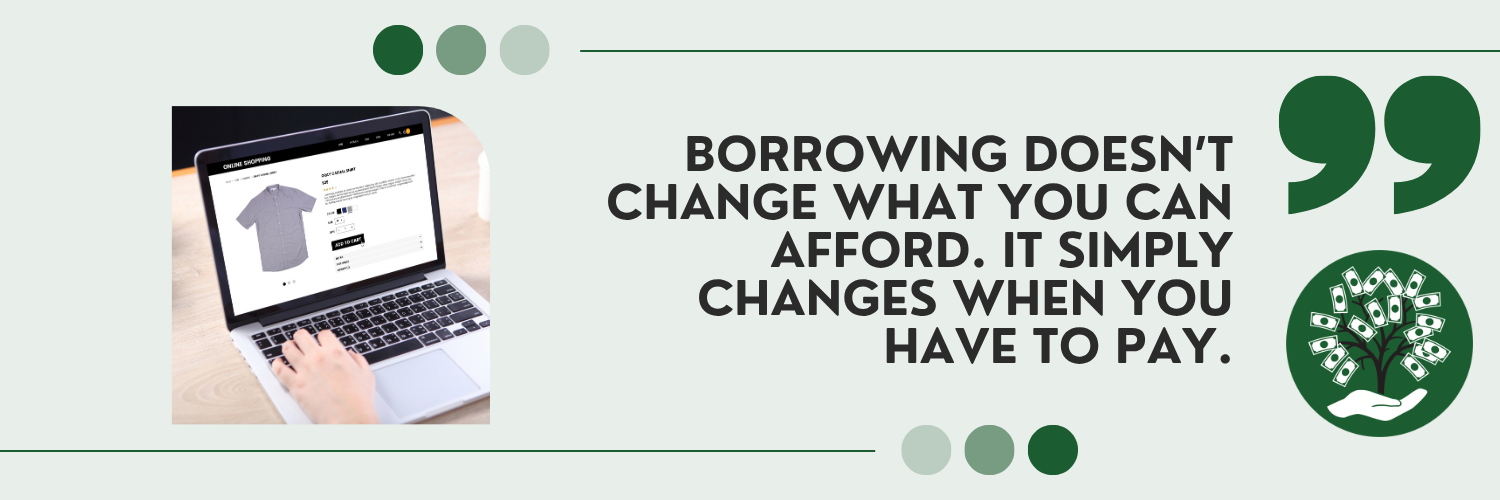
"Zero interest" is one of the most seductive little marketing phrases out there. You see it everywhere: furniture stores, appliance centers, jewelry counters, mattress chains, and basically any place that knows you want something big... and don't want to wait for it.
The desire is understandable. Nothing feels more magical than walking out with a brand-new sofa today and telling yourself, "I'm basically financing it for FREE."
Except... you're not.
Here's what "zero interest" really means:
You get the product now.
You make payments on time.
And as long as you never, ever, ever miss a beat...
You don't pay interest.
But miss a payment? Pay late? Let the promo period expire before the balance is paid off?
The furniture fairy disappears, and the finance goblin shows up with a surprise: all the deferred interest from the original purchase date gets added back onto your loan. Not a small penalty. Not a slap on the wrist. The full interest—retroactively.
Suddenly your "zero interest" sofa becomes the most expensive nap space you've ever owned.
"Zero Interest" Sounds Safe. Here's Why It Isn't:

If you've ever fallen for a deal like this, you're in familiar company. These offers are engineered to feel safe, convenient, and harmless. And when everything goes perfectly, they can be.
But life rarely behaves as perfectly as the contract requires.
Even when credit is "free" on the surface, a lot of people struggle to pay on time. For example, 41% of Buy Now, Pay Later users reported paying late on a payment in the past year, and more than half have ever been late on one of these plans. (LendingTree)
That's not a small margin of error. That's nearly half of all users hitting the exact tripwire that turns a "free" deal into a costly one. If adults with years of financial experience stumble this often, imagine how easily a teen—managing their first credit card, or first "no interest for 12 months" offer—could fall into the same trap.
The Real Lesson Hiding Inside "Buy Now, Pay Later"
"Buy now, pay later" sounds like a gift.
Helpful. Modern. Almost generous.
Get the thing. Spread out the cost. No big pain today.
But here's what it really is: a small loan dressed up as convenience.
And the danger of it isn't just the debt; it's what it quietly teaches our kids about money.
It teaches them that spending and paying don't have to be connected. That the fun part can happen now, and the responsibility can show up later.
That separation is subtle and incredibly powerful. Because when buying stops feeling like paying, the brakes come off.
But every "later" eventually becomes a now. And when too many "laters" stack on top of each other, anxiety follows close behind.
Buy Now, Pay Later doesn't just delay payment—it delays maturity.
Teaching kids to wait, to save, to feel the full weight of a purchase before they make it doesn't make them deprived. It makes them confident.
Because confidence comes from knowing, "I can afford this," not just, "I can swipe for this."
Why Teens Need to See Through "Zero Interest"
They need to know that:
"Zero interest" is not generosity; it's a trapdoor with great lighting.
A single missed payment can transform a deal into debt.
Borrowing—no matter how pretty the packaging—is still borrowing.
This is exactly why Beyond Personal Finance has them practicing these decisions now.
Inside the curriculum, they simulate these tempting offers. They make the "good deal," feel the squeeze of the payments, and sometimes discover (too late) that the fine print has fangs. But the best part? It all happens in a safe place where the consequences are pretend, but the lessons are real.
It's far better to learn about deferred interest at 15 on a fake $800 sofa than at 25 on a real $4,000 one.
Let's raise teens who can see past the sales pitch.
Want your teen practicing these exact scenarios—before the stakes are real? Check out the Beyond Personal Finance curriculum and give them a safe place to make (and learn from) their first money mistakes.
FAQ’s:
1. What does "zero interest" actually mean?
It means you won't be charged interest as long as you pay off the full balance before the promotional period ends. If you miss the window (or a payment) many plans will charge interest retroactively, back to the original purchase date.
2. What happens if I miss a payment on a zero-interest plan?
Depends on the terms, but many plans use "deferred interest," meaning if the balance isn't paid in full by the deadline, you owe interest on the entire original amount. It's one of the most common financial traps for first-time borrowers, including teens.
3. How common is it for people to pay late on these plans?
More common than most people think. 41% of Buy Now, Pay Later users report paying late at least once in the past year, and over half have been late at some point (LendingTree). If adults with years of financial experience stumble this often, teens need practice spotting the trap before they're the ones signing up.
About Beyond Personal Finance: Beyond Personal Finance gives teens (middle & high school) the chance to design their future to see if they can really afford the life they dream of. In one semester (20 lessons- less than 2 hours per lesson), your teen will choose (and budget for) a career, car, apartment, spouse, house, investments, and so much more. This is the class your teen will get excited about. We also provide a curriculum called Before Personal Finance for tweens. Before Personal Finance is designed for late elementary students (Ages 8-12) and introduces foundational money concepts—spending, saving, investing, and borrowing—in a way that’s imaginative, hands-on, and fun. Learn about our full offering of services atbeyondpersonalfinance.com!